Requirements not met
Your browser does not meet the minimum requirements of this website. Though you can continue browsing, some features may not be available to you.
Browser unsupported
Please note that our site has been optimized for a modern browser environment. You are using »an unsupported or outdated software«. We recommend that you perform a free upgrade to any of the following alternatives:
Using a browser that does not meet the minimum requirements for this site will likely cause portions of the site not to function properly.
Your browser either has JavaScript turned off or does not support JavaScript.
If you are unsure how to enable JavaScript in your browser, please visit wikiHow's »How to Turn on Javascript in Internet Browsers«.
Select Language / ভাষা নির্বাচন:







International News
Alberta Cultural Calendar Recognizes April 14 as Bengali New Year
- Details
Edmonton, Alberta (DEC News) The Alberta Parliament in Edmonton, the capital of Alberta, became a vibrant hub of cultural exchange as it celebrated the Bengali New Year with dignity and enthusiasm on April 16, 2024
. The event marked a significant moment in Alberta’s cultural calendar, resonating with the rich traditions of Pohela Boishakh.
MLA Jackie Lovely extended a warm welcome to Bangladeshi community leaders at the Legislative Building. The event set the stage for a meaningful meeting between Bengali-speaking community leaders and the Honorable Speaker of Parliament, Nathan Cooper.
In his address, Speaker Nathan Cooper conveyed heartfelt wishes for a joyous Bengali New Year and expressed his keen interest in visiting Bangladesh shortly. He emphasized the importance of strengthening the bilateral relationship between the Alberta government and Bangladesh.
The essence of the Bengali New Year, with its vibrant festivities such as village fairs, traders' halkhata, Mangal Shobhajatra, Nagordola, and the iconic Ramna Batmool Chhayanaut gathering, was enthusiastically celebrated. The colorful attire worn by attendees reflected the spirit of individuality, universality, secularism, and humanity—values deeply embedded in the festival. These traditional elements found recognition even within the distinguished halls of the Alberta Legislature.
The celebration commenced with Speaker Nathan Cooper introducing various organizations dedicated to preserving and promoting Bengali heritage, including the Bangladesh Heritage and Ethnic Society of Alberta, Bangladesh Canada Association of Edmonton, Edmonton Bengali Association, and Alberta Bengali Society. These organizations have played a vital role in upholding Bengali culture and traditions in Alberta.
Notable guests included Bir Muktijoddha Delwar Jahid, Chief Advisor of the Bangladesh Heritage and Ethnic Society of Alberta, and President of the Bangladesh North American Journalist Network. Other esteemed leaders in attendance were BCAE President Din Islam, Janmejoy Das Chowdhury, Bikash Talukder, and Rozina Meena.
During the afternoon session, MLA Jackie Lovely presented a statement on the significance of Pohela Boishakh. Additionally, Delwar Jahid, a prominent advocate for human rights and democracy, held a separate meeting with government caucus MLA Jason Stephan to foster further dialogue and understanding. The presence of Babu Indra Chowdhury, the United Conservative Caucus Community Outreach Coordinator, added energy and vibrancy to the event, ensuring a dynamic and inclusive atmosphere.
A Historical Perspective:
The Bengali New Year was first officially recognized at the Alberta Parliament on April 4, 2017. The session was chaired by Honourable Robert E. Wanner, then Speaker of the Legislative Assembly, and featured a member statement by Ms. Woollard, who acknowledged the significance of the occasion and extended New Year greetings to the Bengali community in Alberta.
She remarked, "Bengali New Year, or Pohela Boishakh, is the first day of the Bengali calendar, celebrated on April 14 in Bangladesh and many other South Asian countries. It is a time of fairs, festivals, and music, with people preparing traditional dishes and visiting family and friends. A key part of the celebration is the meal of fermented rice and hilsa fish."
The deep-rooted traditions of Pohela Boishakh, originating from rural Bengal, have evolved into grand festivities in urban centers, especially in Dhaka. The procession organized by the students and faculty of the University of Dhaka remains one of the most iconic aspects of the celebration, featuring themes that reflect Bangladesh’s culture and politics.
A Community-Led Initiative:
The first celebration at Alberta’s Parliament was spearheaded by the then government under the NDP. Eminent journalist Delwar Jahid played a leading role in uniting the Bangladeshi community and advocating for the recognition of Bengali heritage in Alberta.
The continued celebration of Bengali New Year at the Alberta Parliament underscores the province’s commitment to cultural diversity and inclusivity. As the tradition grows stronger, it fosters a deeper understanding and appreciation of Bengali heritage among the broader Canadian society.
Press Freedom at Rock Bottom in Bangladesh: Analysis in Light of Global Trends
- Details
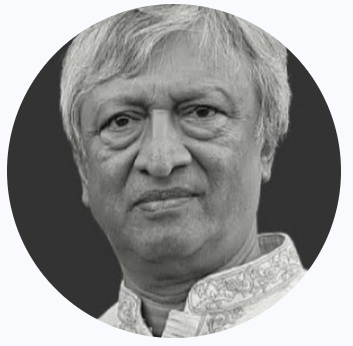
Press Freedom at Rock Bottom in Bangladesh: Analysis in Light of Global Trends
Delwar Jahid
Press freedom remains a cornerstone of democratic societies, serving as a vehicle for disseminating information, shaping public opinion, and accountability. However, the extent of press freedom varies widely worldwide, shaped by historical, legal, and socio-political factors. This article discusses the state of press freedom in Bangladesh, compares it with global standards, and explores the best countries to study journalism.
Bangladesh: A Dangerous Territory for Journalists
According to Reporters Without Borders (RSF), Bangladesh ranks as the third most dangerous country for journalists in its 2024 list of dangerous countries. Although the country’s constitution guarantees freedom of expression, this right is often undermined by legislative, political, and social pressures.
Legal constraints: Journalists in Bangladesh face severe legal challenges, including the 1974 Special Powers Act, which allows for detention without trial for up to 120 days. Additional legal constraints include criminal penalties for defamation, sedition, and reporting on sensitive national security matters. These laws significantly hinder investigative journalism and discourage the press from effectively checking power.
Lack of security: Journalists often work in an environment rife with censorship, harassment, and intimidation, leading to widespread self-censorship. These challenges weaken the press’s ability to act as a strong watchdog, weakening public trust in the media.
Global perspectives on press freedom: Countries worldwide demonstrate varying degrees of commitment to press freedom. For example, Sweden stands out as a trailblazer, becoming the first country to constitutionally guarantee press freedom through its 1766 Freedom of the Press Act. The law sets a historic precedent for openness and transparency.
In contrast, neighboring South Asian countries, such as India, face similar struggles in maintaining an independent press. India ranks 159th out of 180 countries in the 2024 World Press Freedom Index, reflecting significant challenges in terms of media autonomy and the safety of journalists. The index assesses the political, economic, sociocultural, legal, and security conditions for journalists. India’s declining rank since 2017 indicates growing concerns about press freedom in the region.
Best Countries to Study Journalism: For aspiring journalists, understanding and navigating the dynamics of press freedom is crucial. The following countries offer exceptional opportunities to study journalism, marked by a strong tradition of press freedom and academic excellence:
Sweden: With a historic commitment to press freedom, Sweden provides a supportive environment for studying media ethics and investigative journalism.
Denmark, Finland, and Norway: Known for their high levels of press freedom and journalistic integrity, these Nordic countries are ideal for students seeking rigorous training in journalism.
New Zealand and Ireland: These countries emphasize ethical reporting and critical thinking while providing strong legal protections for journalists.
The Netherlands and Switzerland: Renowned for their progressive approach to media studies, these countries encourage innovation and adaptability in modern journalism.
Conclusion
Press freedom is a fundamental pillar of democratic societies, yet its realization remains uneven worldwide. In Bangladesh, restrictive laws and security threats pose significant challenges to journalistic integrity and public trust in the media. Despite these obstacles, the country’s vibrant and courageous newspapers continue to play a vital role in holding the power of account and raising awareness about social injustice.
Countries like Sweden exemplify the potential of press freedom to drive democracy and transparency. For future journalists, studying in countries with strong press freedom traditions can equip them with the tools and perspectives needed to advocate for this essential right worldwide. Strengthening legal protections, building a culture of tolerance, and ensuring accountability for violations are important steps to promote and protect press freedom in Bangladesh and beyond.
Author: President, Bangladesh North American Journalists Network
Step to Humanity Association Commemorates 7th Anniversary with Inaugural Magazine Unveiling
- Details
Step to Humanity Association Commemorates 7th Anniversary with Inaugural Magazine Unveiling
Central Alberta, Canada - November 12, 2023: Step to Humanity Association (STHA), a distinguished charitable organization registered in Canada, celebrated its 7th anniversary with great enthusiasm, culminating in the unveiling of its inaugural magazine titled "STEP TO Humanity." The milestone event was graced by the presence of Dr. Ibrahim Dodo, who presided over the proceedings, and featured keynote speaker Delwar Jahid, Chief Editor and esteemed journalist and academic. Additional addresses were delivered by Vice President Dr. Mujahid Sayed and board directors Moazzem Hussain, Dr. Ekram ul Azim, Masud Rana Sarkar, and Mahfuz Enam.
Dr. Ibrahim Dodo highlighted STHA's significant impact as a beacon of hope for the less fortunate, tirelessly addressing poverty issues, particularly in Asian and African countries. During the magazine's inauguration, he announced it as a landmark achievement for the association and emphasized the strategic plan, which underscores principles such as flexibility, transparency, accountability, and continuous improvement, all crucial to the organization's mission.
Bangladesh Community in Edmonton celebrates Pahela Baishakh
- Details

Edmonton, April 17, 2017 (ANV) - Bangladesh Community in Edmonton celebrates Pahela Baishakh, the first day of Bengali New Year-1424, with great enthusiasm and festivity.
Marking the day, two day-long colorful 'Baishakhi Mela' was organized by the Bangladesh Canada Association of Edmonton, where Bangladeshis living in Edmonton and its suburbs along with Canadian citizens participated. There were continuous cultural events since morning to evening. There was a live concert of Famous BD singer Ferdous Wahid at Bonnie Doon Community Hall.
The Baishakhi Mela premises were beautifully decorated with all the symbols of Bangla New Year celebrations.
- Additional Resources:
- Additional Resources:
- Agro-Ocean
- Bangabandhu Development and Research Institute
- Bangladesh North American Journalists Network
- Bangladesh Heritage and Ethnic Society of Alberta (BHESA)
- Coastal 19
- Delwar Jahid's Biography
- Diverse Edmonton
- Doinik Ekattorer Chetona
- Dr. Anwar Zahid
- Edmonton Oaths
- Mahinur Jahid Memorial Foundation (MJMF)
- Motherlanguage Day in Canada
- Samajkantha News
- Step to Humanity Bangladesh
